DOI: 10.12890/2018_000844
Statin-related Lichenoid Dermatosis: An Uncommon Adverse Reaction to a Common Treatment
Authors
 vzsofi23@gmail.com
Keywords
Lichenoid drug eruption, dyslipidemia, statins, nutraceuticals, red yeast riceAbstract
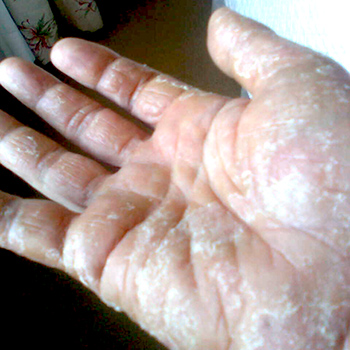
3-Hydroxy-3-methylglutaryl coenzyme A reductase inhibitors (statins) are generally safe and well-tolerated drugs that are extensively used for the primary and secondary prevention of atherosclerotic cardiovascular events. Muscle and liver adverse reactions are the best recognized, while cutaneous side effects are exceedingly rare. We present the case of a 65-year-old woman with severe hypercholesterolemia, who developed generalized erythematous cutaneous lesions with pruritus, resembling lichen planus, months after starting treatment with simvastatin. The symptoms disappeared on withdrawal of simvastatin and reappeared within 3 months upon rechallenge with rosuvastatin. In addition to describing a rare adverse effect of statins, the authors also discuss the nutraceutical approach to the management of a statin-intolerant patient.